
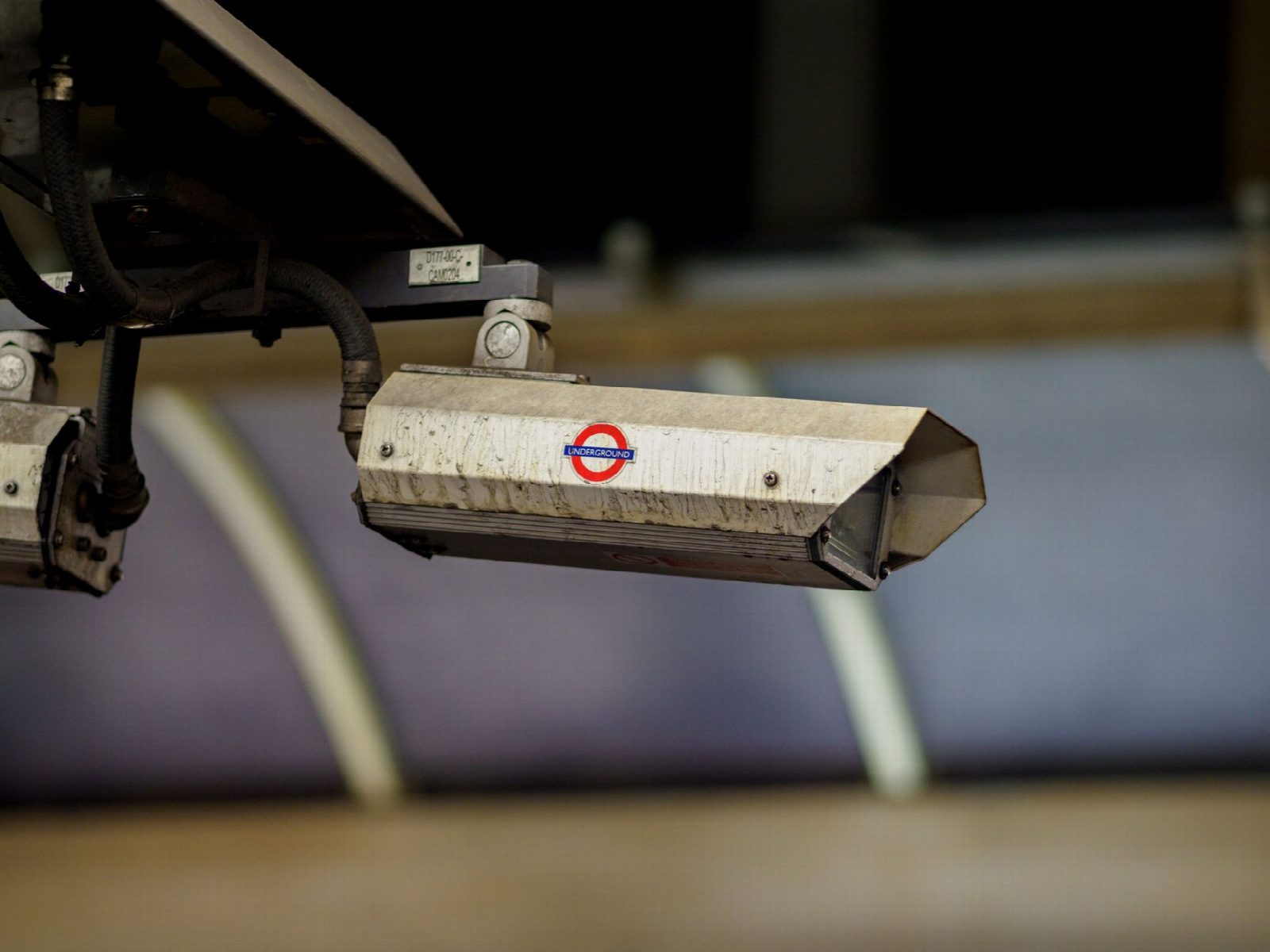
Anglia CCTV Solutions installs and maintains CCTV systems for homes and businesses in Norwich, Long Stratton and Great Yarmouth, and November is the month when a night vision CCTV camera earns its place. The clocks have gone back, the sun sets before five, and most of the activity around a property now happens in the dark. A system that looks sharp in July can prove disappointing in November, because daylight hides a great many weaknesses.
Why November changes what your cameras see
In Norfolk, mid-November gives roughly eight hours of usable daylight. That leaves sixteen hours in which your cameras are relying on infrared, on a floodlight, or on whatever street lighting happens to fall across the drive. Opportunistic theft from vehicles, sheds and outbuildings tends to rise when it gets dark early, simply because cover is easier to find.
The practical problem is identification. A camera may record movement perfectly well and still produce footage that shows nothing useful: a pale shape crossing a driveway, a vehicle with an unreadable plate, a face lost in the glare of a security light. Footage that proves something happened is not the same as footage that shows who did it.
The common night-time failures
There are a handful of faults we see repeatedly once the evenings draw in.
- Infrared bounce. IR light reflects off walls, fences, hedges and rain, washing out the near part of the image while the far part stays dark.
- Spiders and webs. Insects are drawn to infrared LEDs, and a web across the lens triggers motion alerts all night and blurs the picture.
- Overexposure from security lights. A bright floodlight directly in frame forces the camera to darken everything else, so the person standing beside it becomes a silhouette.
- Cameras mounted too high. A camera under the eaves sees the top of a head and little else. Lower mounting, at around head height on an approach route, gives a far better chance of recognition.
- Dirty or misted housings. Condensation and road grime scatter infrared badly, and the effect is often invisible during the day.
Getting a night vision CCTV camera to work properly
Night performance depends more on how a camera is specified and positioned than on the number printed on the box. A larger sensor and a wider aperture gather more light, which matters more than headline resolution once the sun has gone.
There are broadly two approaches. Infrared cameras switch to black and white after dark and illuminate the scene with light the eye cannot see, which is discreet and effective over a defined range. Colour night vision cameras use a more sensitive sensor, often paired with a low-level white light, and keep the image in colour. Colour matters when you are describing a jacket, a car or a van to the police, because "dark grey hatchback" is more useful than "light-coloured car".
Positioning does the rest. Cameras should look along approach routes rather than straight at them, so a person is in frame for several seconds rather than one. Pinch points — gates, side passages, the gap between a garage and a fence — give better footage than wide views of an open garden. And existing lighting needs to be considered as part of the design, not ignored. Our approach to domestic CCTV installation covers all of this at the survey stage, before anything is drilled.
Rural and agricultural sites
Farms, yards and remote sites across Norfolk face a harder version of the same problem, because there is often no ambient light at all and no mains power where the camera needs to go. Solar-powered and 4G cameras cover field entrances, fuel stores and machinery compounds without a cable run, and they are a significant part of what we do. Fuel and machinery theft is a night-time crime, and a camera that cannot see at night is of limited use against it.
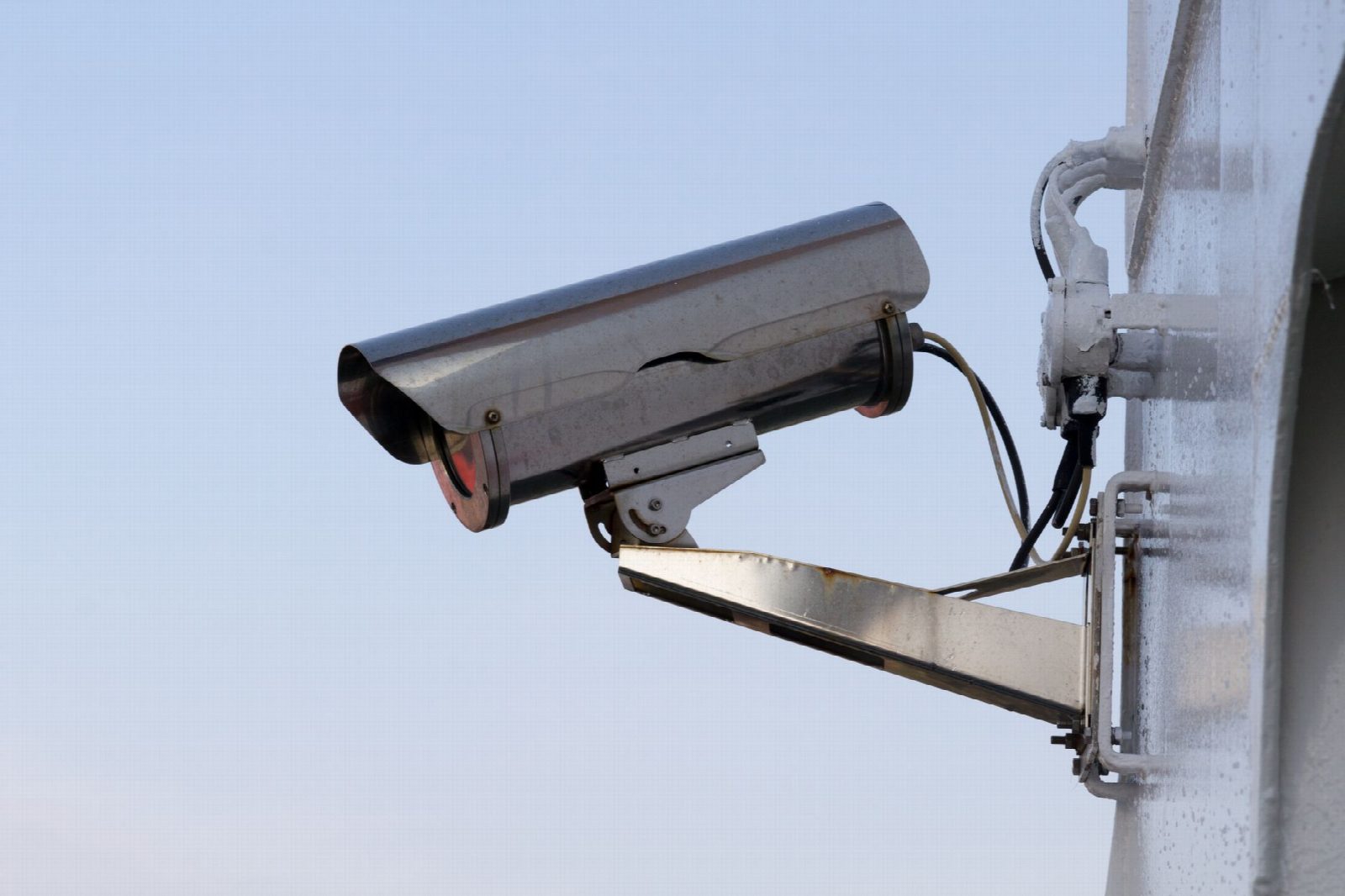
Checking your existing system before the worst of the winter
If your CCTV has been in place for a year or more, now is the sensible time to look at it. Pull up last night's recording rather than the live view, and check each camera in turn.
- Can you read a number plate on the drive?
- Would you recognise someone you know walking to the front door?
- Are any cameras showing haze, glare or web strands?
- Are motion alerts firing all night for no reason?
- Is the recorder still keeping the number of days you expect?
Answering no to any of these is worth acting on. A clean, re-aim and re-focus solves a surprising proportion of night-time complaints, and a failing hard drive is far cheaper to replace before it dies than after an incident. We handle this through CCTV maintenance and repairs, and we aim to attend repair visits within 48 hours.
For properties where the concern is what happens while nobody is home, cameras are often paired with burglar and intruder alarms so that detection and recording work together rather than separately.
Fixed prices, no guesswork
We publish our prices, which is unusual in this trade. A four-camera home system, fitted, starts from £895, so you know roughly where you stand before you pick up the phone. We install within five working days in most cases, which matters when the dark evenings have already made up your mind.
If your cameras are not showing you what you need after dark, call Anglia CCTV Solutions on 07578570856 or get in touch through our contact page to arrange a survey in Norwich, Long Stratton or Great Yarmouth.